




Food & The Food body (Annamaya Kosha)
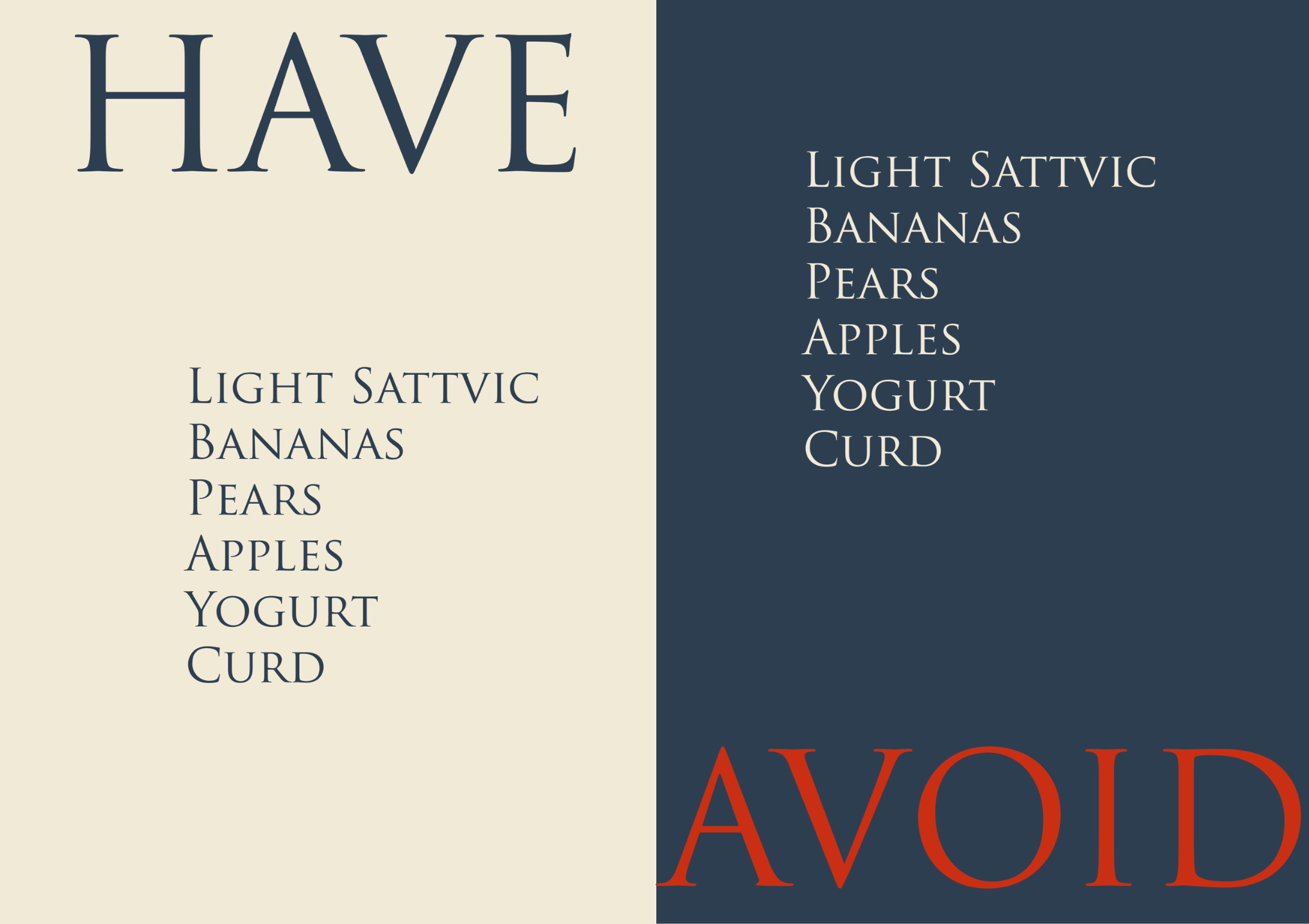
Sattvic / Vibrant Food
Prana / "bio energy"
Mitahara (Measured eating)
Agni - Digestive Fire
Ahimsa - Non Harming
Sauce - Purity
Tapas - Discipline
Santosha
Kala & Rtu - Time & Season
The Ritual of eating
Asteya & Aparigraha - Take what you need
2. Choosing your nutrition
Choosing the right nutrition in yoga therapy means selecting food that actually supports healing, not just fills the stomach—think sattvic, prāṇa-rich, easy-to-digest meals that are matched to your agni (digestive fire), lifestyle, and current imbalance. In practice, this looks like favouring fresh, seasonal, minimally processed food; eating in calm, regular rhythms; and adjusting quantity and qualities (light/heavy, warming/cooling) so the body can repair, the nervous system can settle, and yoga practices can work more deeply.
Read more on the origin of Yogic Terminology and Concepts >

3. Preparation & Storage
In this section, we’ll overview what makes food high-quality from a yoga therapy perspective—how it’s prepared, handled, and stored. We’ll look at practical principles like cooking with fresh ingredients where possible, avoiding over-processing and repeated reheating, and storing food in ways that maintain its flavour, safety, and prāṇa (life force). The aim is to show how everyday kitchen habits—how you chop, cook, cool, and keep food—can make meals easier to digest, more supportive for recovery, and simpler to integrate into real-life routines.
Download >
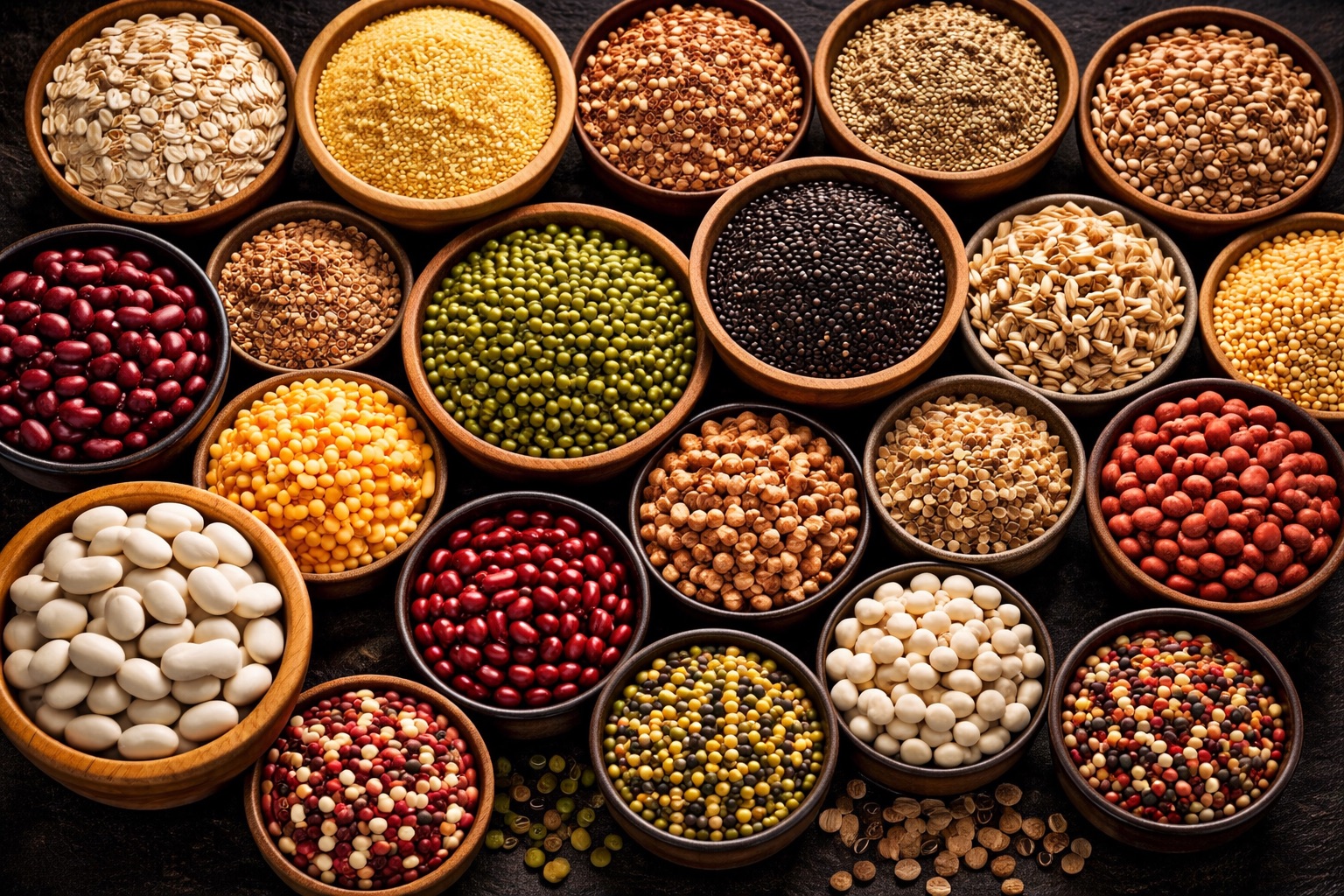
Rotate grains, pulses and millets
A helpful way to use pulses, grains, and millets is to soak or sprout them first, then rotate them across the week instead of eating the same one every day. This works well because pulses and whole grains provide fibre, protein, vitamins, and minerals, while soaking, sprouting, and proper cooking can improve digestibility and help reduce compounds such as phytates that may limit absorption of minerals like iron and zinc. Pulses are also naturally low in fat and high in fibre and protein, making them a strong foundation for steady nourishment. Rotating choices such as mung beans, lentils, chickpeas, millet, oats, quinoa, brown rice, or buckwheat gives the body a broader range of nutrients and fibres, and variety in fibre-rich legumes and whole grains may also help support a healthier gut microbiome. In practice, this means choosing 2–3 different pulses and 2–3 different grains or millets during the week, preparing them well, and alternating them in soups, stews, porridges, bowls, or salads. This is optimal because it supports better digestion, nutritional diversity, steadier energy, and a more balanced long-term way of eating rather than relying too heavily on one single food.
4.Optimise eating
Optimising eating in a yogic-therapeutic way means sitting in a stable, upright posture (such as a simple cross-legged seat or Vajrāsana) so the digestive tract is aligned, as recommended in classical Ayurvedic “rules of eating” (bhojana vidhi) in texts like the Charaka Saṁhitā and Aṣṭāṅga Hṛdaya. These texts also emphasise eating with a relaxed, focused mind, avoiding meals when you are in states such as anger, grief, or agitation, and advise chewing thoroughly and eating at a moderate pace to support proper digestion and absorption. They suggest minimising talking while eating so attention can stay on the food and digestive process, and choosing lighter, simpler meals when sick or very tired, so that weakened agni (digestive fire) is not overloaded
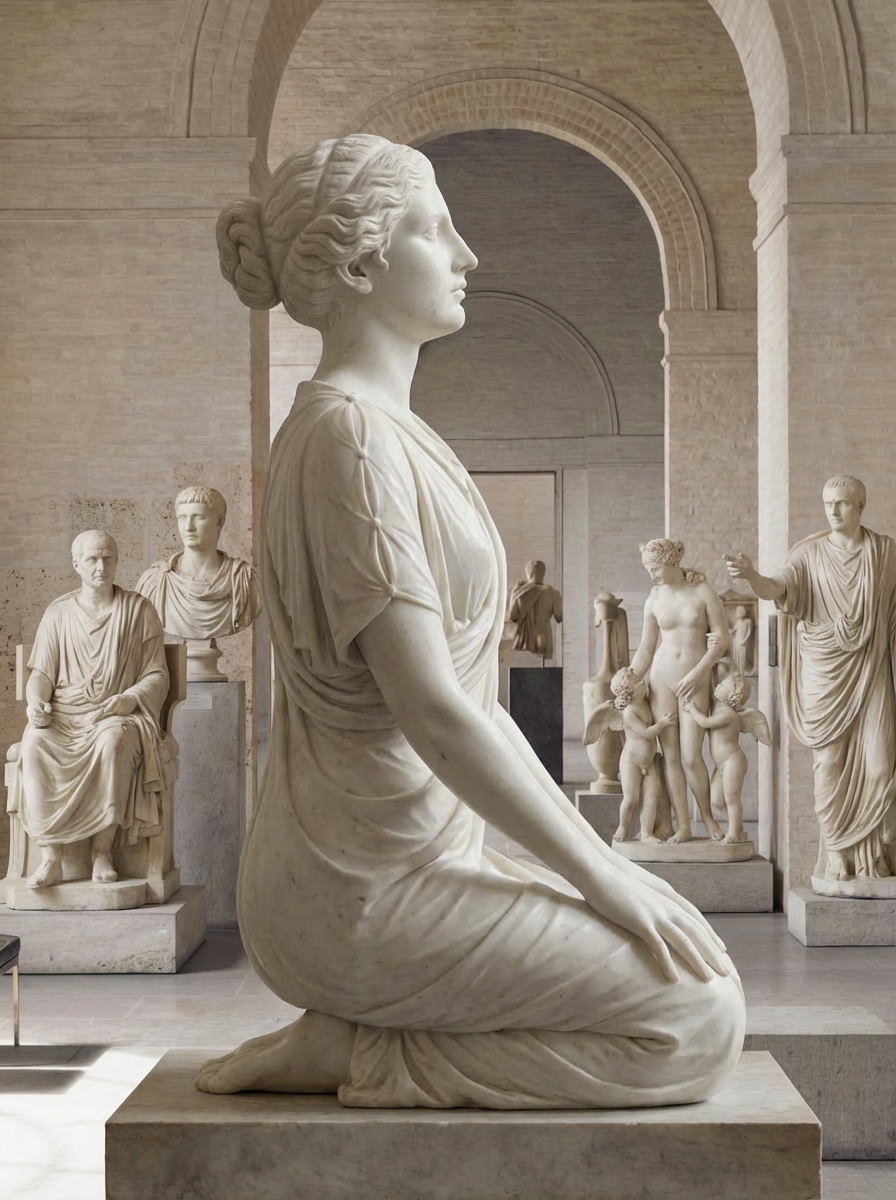
Vajrasana - Thunderbolt Pose
Vajrasana is a gentle kneeling pose often practised after meals. It keeps the spine upright and the belly softly relaxed, which can support healthy digestion and a calmer feeling in the body.
Key benefits for digestion & nutrition
-
Helps the body digest food more easily after meals.
-
May reduce gas, bloating, and heaviness in the stomach.
-
Supports better absorption of nutrients from food.
-
Helps you notice when you feel full, reducing overeating.
-
Can support regular bowel movements and relieve mild constipation.
-
Calms the nervous system, helping the body shift into “rest and digest” mode.
-
Encourages mindful, relaxed eating habits when done after meals.

Sukhasana - Easy Pose
Sukhasana, or Easy Pose, is a simple cross-legged sitting posture that creates a steady, comfortable base for the spine. The pelvis is grounded, the spine is gently lengthened, and the shoulders soften away from the ears, allowing the breath to flow more freely. It is often used for breathing practices and meditation because it helps calm the nervous system, quieten the mind, and build a sense of ease and presence in the body.
5. Psychological approach
The psychological approach in yoga therapy–based nutrition looks at how you think and feel around food, not just what’s on your plate. We explore patterns like stress-eating, all-or-nothing dieting, guilt, and body image, and pair them with tools such as breath, simple mindfulness, and self-inquiry to create a calmer, kinder relationship with eating. The aim is not perfection, but gradually shifting from automatic, emotion-driven choices toward more conscious, supportive habits that feel realistic and sustainable in daily life.
Handy Resources
–––––––––––––––––––––––––––––––––––––––––




Community support
If you need to know anything else or have a question regarding your nutrition pillar.
Go to Community Page >